The New Standard of Global Compliance
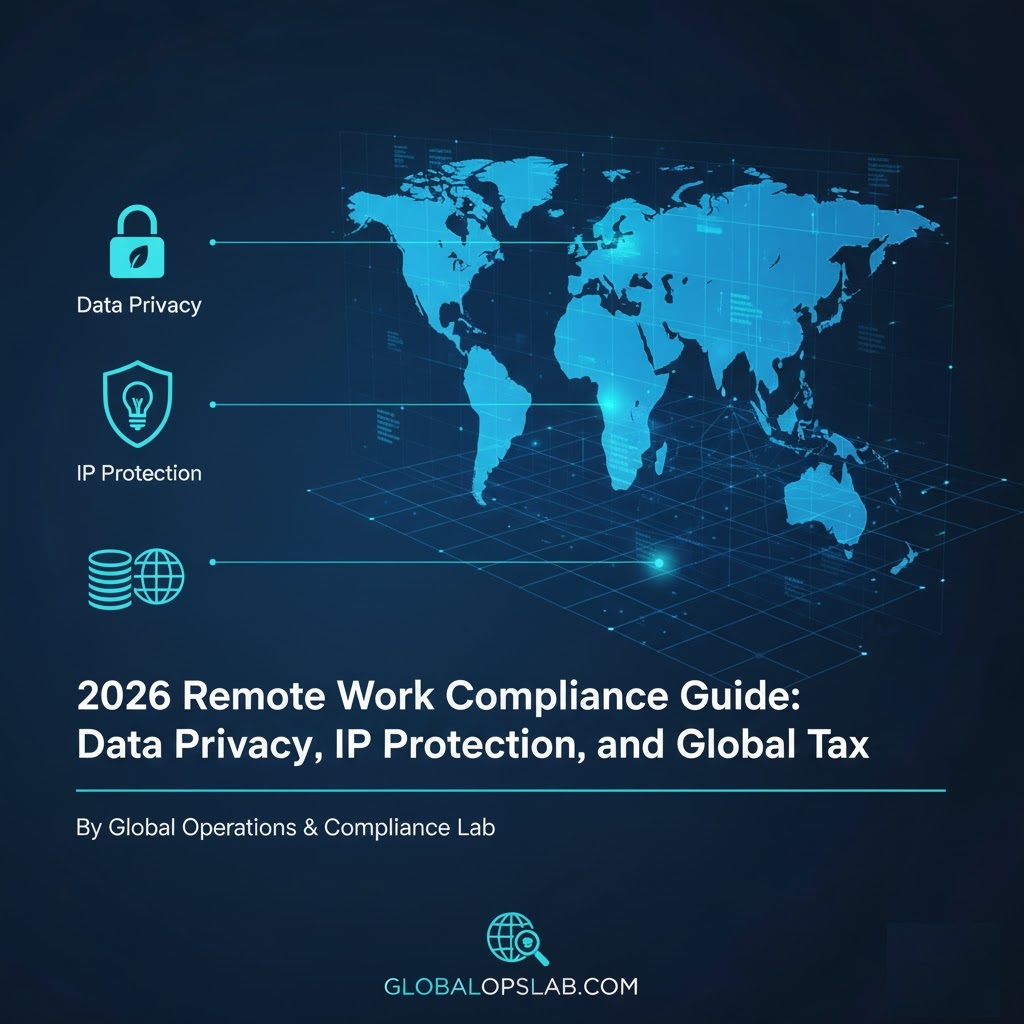
As we enter 2026, “Work From Anywhere” has evolved from a flexible perk into a complex regulatory challenge. For mid-market enterprises, the risks of non-compliance—ranging from “Permanent Establishment” tax triggers to massive GDPR fines—are now higher than ever. This guide provides a strategic framework for managing a distributed workforce while maintaining a bulletproof compliance posture.
1. Navigating “Permanent Establishment” (PE) Risk
One of the most overlooked risks in remote hiring is the unintentional creation of a Permanent Establishment.
- The Trigger: If a senior executive or a sales manager works from a foreign country for an extended period, local tax authorities may deem your company as having a taxable presence in that jurisdiction.
- The Solution: Organizations must implement strict “days-present” tracking and utilize EOR (Employer of Record) structures to shield the parent company from local corporate tax liabilities.
2. Intellectual Property (IP) Protection in a Borderless World
IP laws are strictly territorial. A common mistake is assuming that an employment contract governed by California law will automatically protect IP created by an engineer in Vietnam or Poland.
- The Gap: Many jurisdictions require specific “assignment of invention” clauses that align with local labor codes to be enforceable.
- Our Research: At Global Operations & Compliance Lab, our benchmarking shows that 40% of mid-market firms have “leaky” IP clauses in their international contractor agreements.
3. Data Privacy and Sovereignty (GDPR & Beyond)
In 2026, data sovereignty is no longer just a European concern. With Brazil’s LGPD, China’s PIPL, and various U.S. state laws, moving employee data across borders requires rigorous technical and legal safeguards.
- Mandatory Audits: Companies must conduct regular Data Protection Impact Assessments (DPIAs) when using global payroll software.
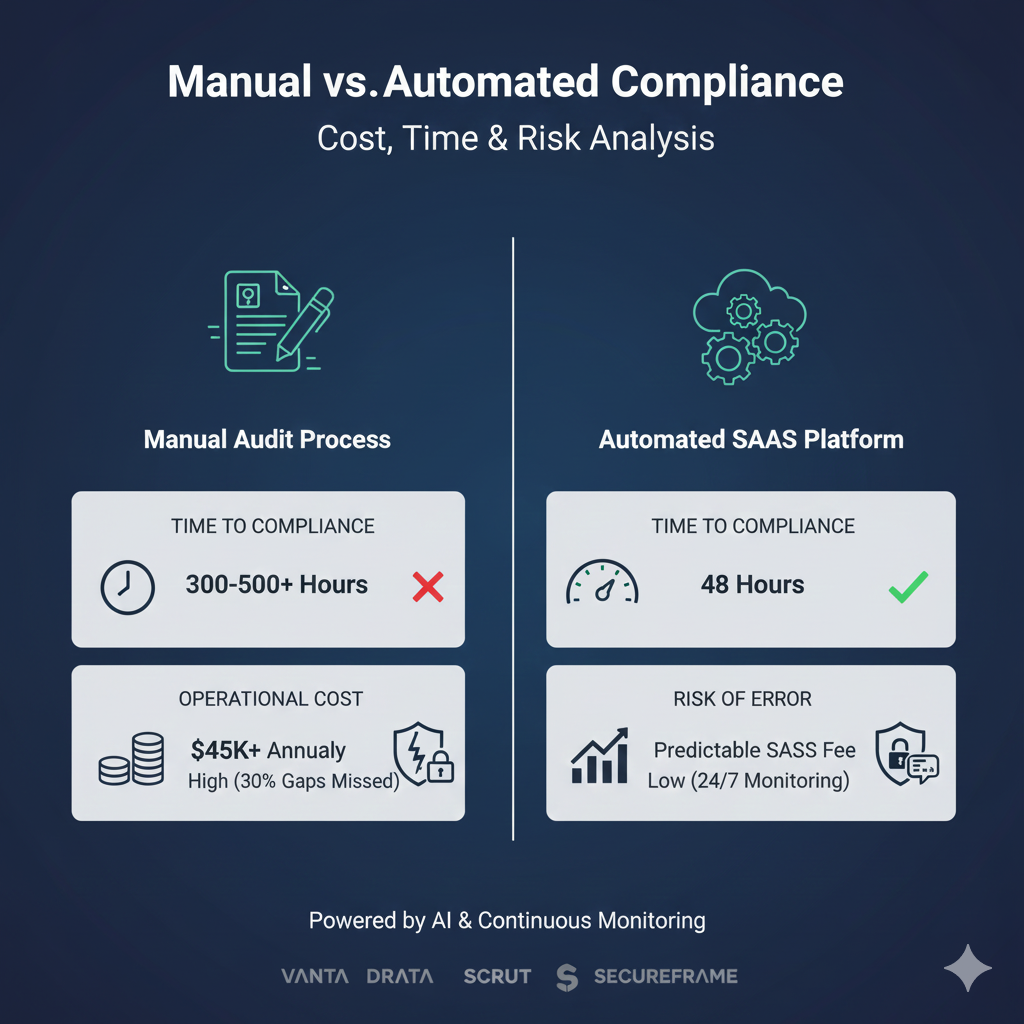
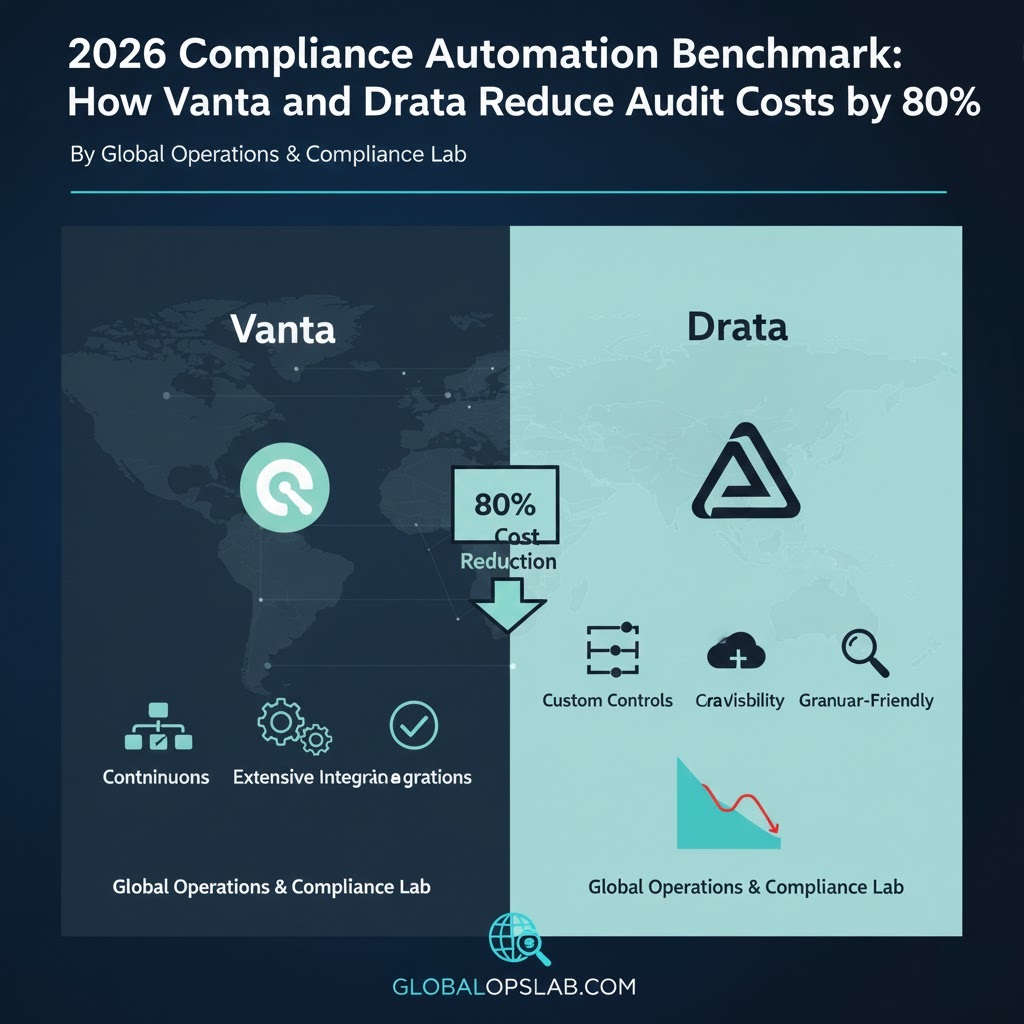
- Automation: Utilizing compliance automation platforms (like Vanta or Drata) is essential to ensure that your remote infrastructure meets SOC2 and ISO 27001 standards in real-time.
4. Strategic Recommendations for 2026
To maintain an agile yet compliant global operation, we recommend a three-pillar approach:
- Unified Global Policy: Replace fragmented local contracts with a standardized Global Employment Handbook tailored to local mandatory benefits.
- FinTech Integration: Leverage borderless banking solutions (like Mercury) to minimize currency exchange friction and ensure timely, compliant tax withholdings.
- Continuous Monitoring: Use automated tools to track legislative changes in every country where you have active headcounts.
Conclusion
Compliance is a competitive advantage. Companies that master the nuances of global hiring today will be the market leaders of tomorrow.
For a customized assessment of your firm’s compliance readiness, explore our Global Operations Risk Matrix available exclusively at the Global Operations & Compliance Lab.